1833 – Artur Hazelius, the founder of Skansen, is born on 30 November.
1872 – Artur Hazelius undertakes a collecting expedition to Dalarna. His aim is to preserve objects, stories and traditions from a society undergoing rapid change as a result of industrialisation.
1880 – Hazelius establishes the foundation that will become the Nordic Museum.
1885 – The Mora Farmstead is acquired. It becomes the first building in what will later become Skansen.
1891 – Skansen is inaugurated by Artur Hazelius on 11 October.
1892 – Skansen expands considerably with the addition of the land surrounding Bredablick. Bollnäs Cottage is also moved to Skansen.
1892 – Walpurgis Night is celebrated at Skansen for the first time.
1895 – The tradition of reciting the poem Ring Out, Wild Bells on New Year’s Eve at Skansen begins.
1897 – Skansen’s funicular railway is built for the Stockholm General Art and Industrial Exposition.
1901 – The former Stockholm Tivoli is incorporated into Skansen. Part of the amusement park lives on as Galejan.
1901 – Artur Hazelius is buried at Skansen following his death on 27 May.
1903 – Skansen’s Christmas market is held for the first time.
1911 – Skansen’s open-air theatre is inaugurated with a performance of Värmlänningarna. That year, the zoo is home to a record 261 species of mammals and birds.
1918 – The first European bison calf is born at Skansen. Skansen’s European bison later play an important role in efforts to save the species. In 1929, two bison born at Skansen are sent to Białowieża in Poland to help re-establish a viable population.
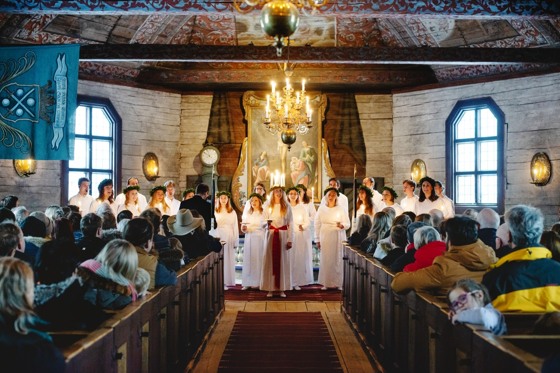
1918 – Seglora Church is inaugurated at Skansen.
1931 – Skogaholm Manor is inaugurated at Skansen.
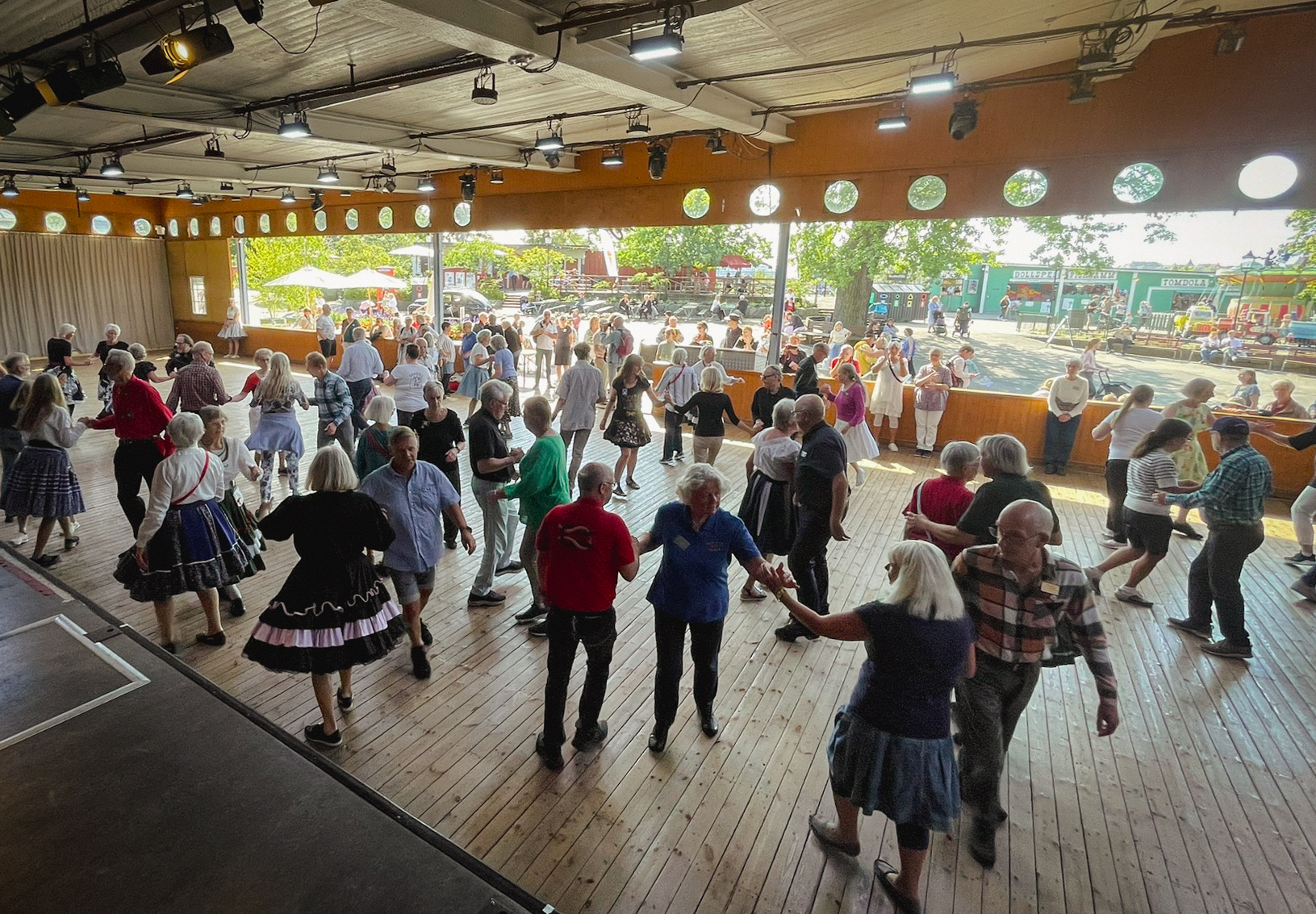
1937 – Galejan’s dance pavilion is built and becomes a popular meeting place.
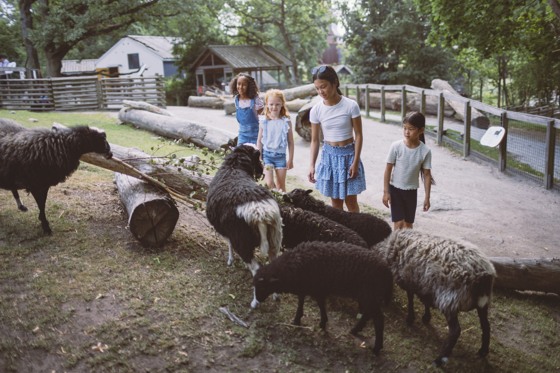
1955 – Lill-Skansen opens as a dedicated children’s zoo.
1963 – Skansen becomes organisationally independent from the Nordic Museum and is established as the independent Skansen Foundation.
1978 – Skansen Aquarium opens.
1997 – Two period allotment gardens are moved from Tantolunden to Skansen.
1998 – Bear Mountain reopens following extensive redevelopment and expansion.
2012 – A new, year-round Lill-Skansen – the Children’s Zoo – is inaugurated.
2020 – Skansen closes temporarily because of the COVID-19 pandemic – the first closure since it opened in 1891.
2022 – The Skansen Foundation is granted a 90 Account and becomes a member of Giva Sverige, the Swedish Fundraising Association.
2026 – Skansen celebrates its 135th anniversary.